A bad coaching hire costs you money. It also costs you time you’ll never get back.
For a lot of gym owners, one bad hire is enough to make them swear off hiring for good.
Two-Brain mentor Brian Bott has found a better way.
He and his business partner, Adam, own Aspire Fitness, three semi-private training gyms in Monmouth County, New Jersey, that do over $1.5 million a year in revenue.
Brian’s head coach in Colts Neck has been with him for 10 of the gym’s 11 years. His head coach in Rumson has worked alongside him for about 15 years, before the business even opened.
In 11 years, Brian has fired two people.
He walked me through his hiring process on our podcast.
Hire for Personality, Then Teach the Skills
“We can always teach the skill,” Brian said. “The hardest part is finding people who have great personalities and can interact with people well.”
His best hires have come from bartending, waiting tables and other service jobs. Lauren, now Aspire’s general manager, used to manage a popular local coffee shop. Danny, a former bartender, went from zero coaching experience to full-time coach at Aspire’s busiest location.
Knowing what a goblet squat should look like is one skill. Knowing whether a client is comfortable, and how to make them laugh through something hard, is another. Brian says he’s never been able to teach the second one, so when he finds it, he holds on to it.
Where Brian Finds Great Coaches
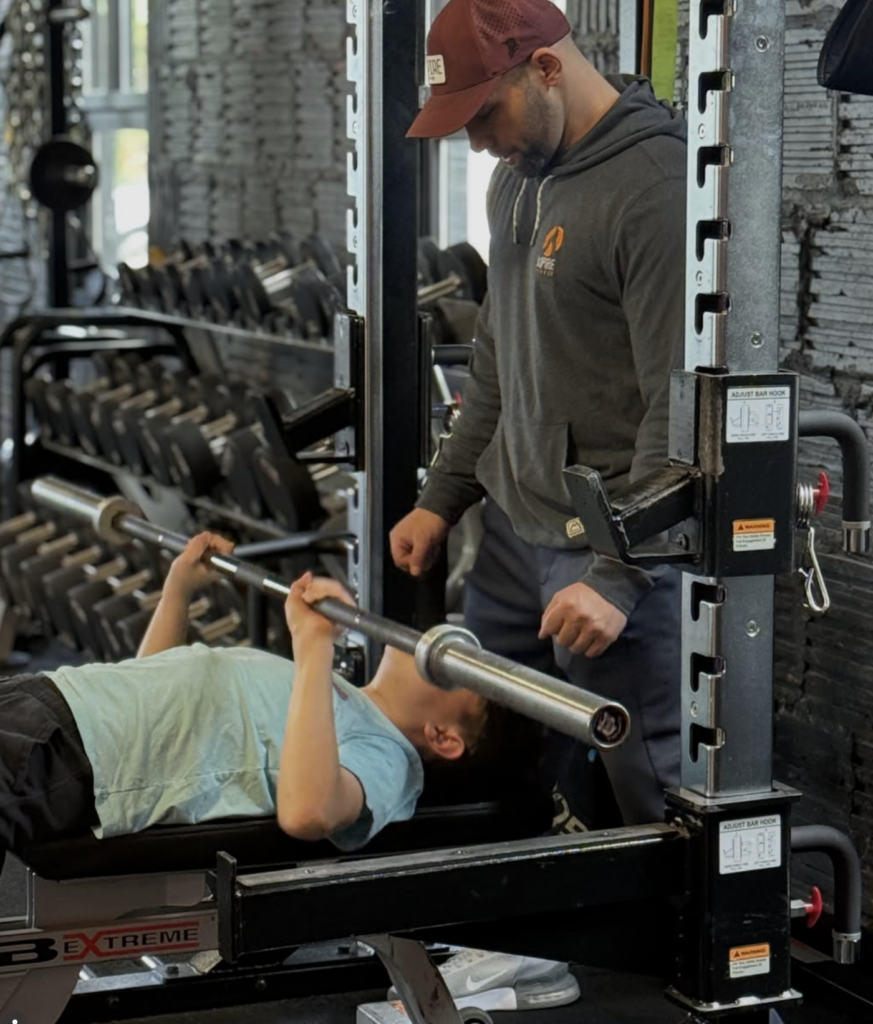
Brian starts with his own community. When there’s an opening, he announces it through email, his newsletter and social media, and he asks members directly. They know the culture and will protect it as much as he does. He specifically asks for high-energy people with customer service backgrounds.
He also asks other gym owners. Someone who could only offer a coach 12 hours a week might be happy to send that person to a gym that can offer 35.
Advertise a Full-Time Career
Brian puts compensation in his job posts (“Salary $55,000 and up”) because it gets better responses. He only advertises full-time roles. When he ran part-time ads, he got part-time answers like “I can work Tuesday at noon.”
His advice: Be patient and hire for your actual needs. Someone who can only work Mondays will probably always only work Mondays.
Pay for the Shift
Aspire used to pay coaches per client. That made shift coverage a math problem. When Brian asked for someone to cover a slow Tuesday night, nobody was available. It also hurt clients, because coaches only suggested make-up times that fit their own schedules.
So Brian took what each coach was earning, divided it by their hours and switched everyone to a flat hourly rate for the whole shift. Coaches were relieved. Now they just show up and do a great job.
Pay is tiered by capability. New coaches start around $25 an hour, and the rate climbs as they handle two, three and then four clients at once, and again when they contribute to programming or staff training. Head coaches earn up to $90,000 a year, plus a medical stipend and paid education.
Wondering if you can afford a full-time coach?
We built a free Full-Time Coach Calculator to help you find out.
Enter the coach’s target salary, the services you offer and your prices, and the tool will build a sample week. If the math doesn’t work, it shows you what to change so your coach can hit their income goals.
The Onboarding Ladder
New hires at Aspire don’t coach in their first week. They spend three days meeting members and getting a feel for the culture while Brian watches how they interact. Then they assist a head coach, who acts as their trainer.
From there, they start with one-on-one sessions, the easiest job in the building, then move to two clients per hour, then three and eventually four.
When a Hire Goes Wrong
One of Brian’s two firings was a coach he let go and later rehired. His lesson: When the writing is on the wall, move on quickly.
The other was one of his biggest revenue producers, who didn’t follow client programs and didn’t communicate with the team. Brian kept him too long because of the money. Aspire took a revenue dip when he left and has since built back past it with far less stress.
Today Brian’s process is simple: a verbal conversation, then a written warning, then part ways.
He works hard to keep good coaches for one reason: “There’s nothing more valuable to your client retention than coach retention.”
If You’re Just Getting Started
Brian started Aspire with a credit card. His advice for a first hire: Figure out whether you need help with coaching or with the back end.
If you love coaching and people are lining up to train with you, hire someone to handle admin first. Brian’s first hire was Dory, a member who took over the hours of data entry he was doing every night.
He hired his first coach, Katie, when he was turning away clients who wanted his prime time slots. He gave her new clients instead of moving his long-time clients to her, so everyone got a fresh start. Katie is now a head coach, using that same process with Aspire’s junior coaches.
If you’re struggling with hiring, book a call with us. You might get to work with Brian directly.