I used to run a blog called “Don’t Buy Ads.”
My first mentor told me my gym wasn’t ready for an influx of new clients, and he was right.
Adding paid ads to a broken system doesn’t fix the system—it just accelerates the damage.
But a lot has changed since those early days. My feelings about paid ads have changed too: Don’t buy ads … yet.
Not until you have your other three funnels running: referrals, social media and content. You build the paid ads funnel last because ads are fuel, and you want a fire already burning before you pour gas on it.
Why I Still Don’t Recommend Ad Agencies
While my feelings on paid ads have changed over the years, my opinion on ad agencies has not.
Most ad agencies prey on gym owners’ fear that advertising is too complicated to learn.
And their incentive structure is backwards: They want to spend your full budget, not necessarily grow your gym.
Do the math. Most gym owners should spend somewhere between $5 and $20 a day on ads—call it $150 to $600 a month in ad spend. A typical agency charges $1,000 to $2,500 a month on top of that. So you’re paying the agency more than you’re putting into the actual ads.
Even if you do a mediocre job running your own ads, you will almost certainly outperform the agency-plus-spend math, because you’re putting more money into the machine instead of into someone’s pocket.
More importantly: Marketing is a skill you need to have as a business owner. Ad agencies will come and go, but if you learn this skill, it’s yours forever.
The Game Has Changed
In the last year, Meta released an update called Andromeda that changed how the platform targets people, finds audiences and delivers ads. A lot of gym owners who were relying on paid ads saw their lead costs spike overnight.
Some gurus in the space declared the end of gym advertising entirely. They’re wrong about that, but the game is different now.
The old way—carefully building audiences, manual bidding strategies, one static image with “Six-Week Challenge” written on it—is largely obsolete.
The new way is creative volume. The platform wants lots of material to test, and your job is to feed it.
Here’s the good news: If you’ve been following the first three funnels in this series and making organic content consistently, you’re already ahead. That content feeds the machine exactly what it needs.
John Franklin has been running Two-Brain’s ads for nearly a decade. Here’s his full breakdown of what changed and what to do about it:
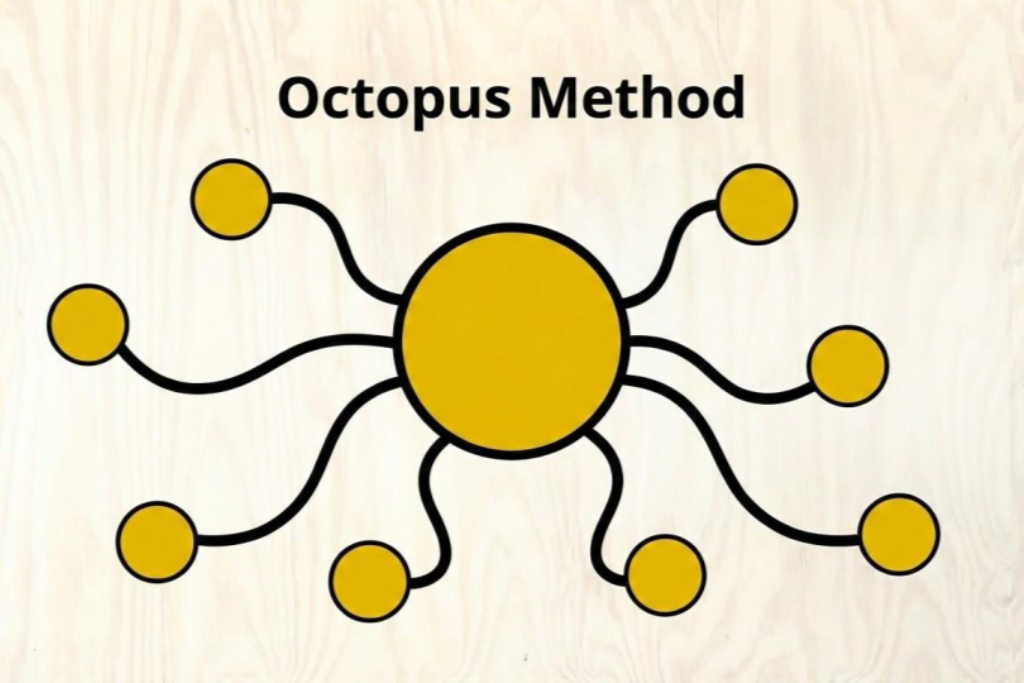
The Octopus Method: How to Make 15+ Ads from One Idea
John put me through an exercise live on the podcast, and I’ll share it here because it’s genuinely useful.
Draw an octopus. The body in the center is your core service—for my gym, Catalyst, that’s small group personal training.
Then answer these questions and write your answers in the arms of the octopus:
- What problems do your prospects face?
- What stops them from signing up?
- What outcome can they expect in three or four months?
- Why would they buy today versus waiting?
In just a few minutes, my octopus had these arms:
- Fat loss
- Mobility and freedom of movement
- Strength
- Time flexibility
- Fear of the unknown
- Reputation
- Price uncertainty
- Seasonal urgency (summer is short here in Sault Ste. Marie)
Each of these can become three pieces of creative: a static image with text, a carousel, a 30-second talking head video.
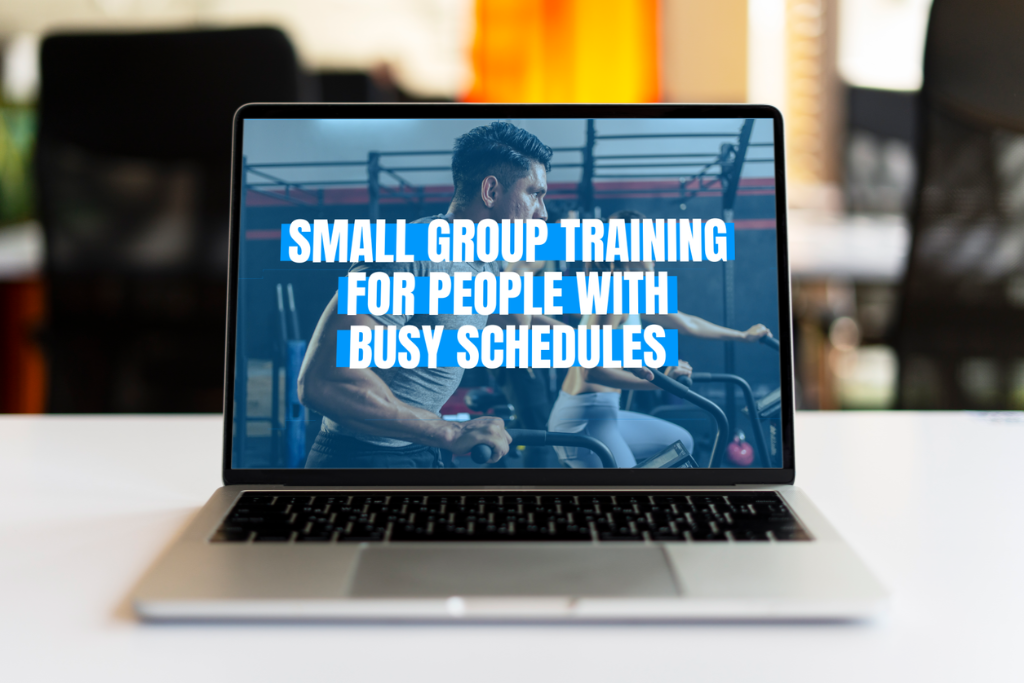
“Why small group personal training is great for people with busy schedules.” “Why people who’ve never set foot in a gym before love our program.”
You can run any of these as paid ads or just use them as organic content.
Know Your Ad Math
Before you start throwing money at ads, you need to figure out your ad math.
What can you afford to pay per lead?
The answer: up to the price of your on-ramp package—maybe more, depending on your numbers.
Here’s what I mean. Two gym owners are running ads. Owner A has high prices, great lead nurture and keeps members for 30 months. Owner B has low prices, weak follow-up and keeps members for 10 months. Owner A can afford to pay far more per lead and still profit. Owner B needs leads to be cheap just to break even.
The number that really matters is your return on ad spend. We’ve worked with gym owners who were making $4 back for every dollar they spent, then panicked and shut off their ads because lead costs went from $3 to $10. They killed their golden goose because they didn’t understand the math.
The Easiest Way to Start Running Ads
Start with an organic 5130 post. Just put it on your social media, and see who raises their hand. Get comfortable asking for leads before you spend a dollar.
If that organic post gets traction, then boost it. Throw $5 behind it, targeted to people near your gym.
Then, if you want to go further, run a lead campaign in Meta. Create two ad sets inside it: one for men, one for women.
Put your diverse creative (your octopus arms) inside each ad set. Use Meta’s native lead forms so people can opt in without leaving the app. Optimize your budget at the ad set level so it shifts money toward whichever audience is converting more—men or women.
But remember: There’s a reason we teach ads last after the other three marketing funnels. If you skip the first three and go straight to ads, you’re dumping gas on cold rocks. You might get a flicker, but you won’t get a fire.
You don’t have to figure any of this out alone. If you want help building all four funnels (including done-for-you resources), book a call.